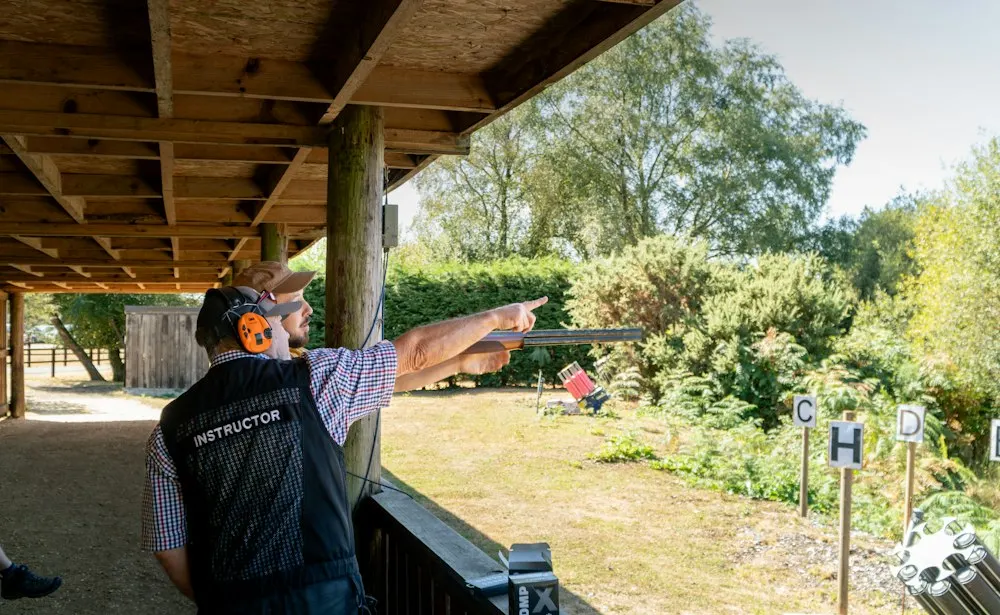
What it is
A gun club or range is a member-based or community-based organization that provides a place for safe shooting sports, firearm safety education, training and events. Some are small volunteer-run clubs, and others are larger facilities with staff, committees and boards.
Projects at these places often include range improvements such as new backstops, berms, shooting benches or lighting, safety upgrades such as signage, barriers, first-aid supplies and sound or lead management, and club building projects such as a new clubhouse, classroom or accessible restrooms.
Fundraising for these projects means inviting members, families, neighbors and supporters to contribute toward a clear goal. It is about the facility and the community it serves, not about buying or selling firearms or ammunition, which is not something that can be done through this platform.
How it’s traditionally been approached
Clubs have commonly relied on membership dues, range fees, event revenue, volunteer work days and member assessments to cover upkeep and improvements. Larger projects have often been handled by saving over several years or by borrowing.
Many clubs also host dinners, youth shooting events, matches and auctions to raise extra funds. Some seek grants or local sponsorships from businesses that value a safe, well-run community facility.
These methods work well for many groups, though they can depend on a few volunteers, take a lot of time, and reach mainly people who can attend in person. Each club decides what mix fits its size, structure and goals.
How the right organizer may help
The right independent organizer may help a club turn a broad need into a clear, understandable campaign: a defined project, a goal, a timeline and a plain explanation of how funds will be used. They may also help with a membership-wide drive, sharing updates, thanking supporters and keeping volunteers organized.
A first conversation is generally about your project, your club's structure and who your audience is. Useful questions include: Have you worked with clubs, ranges or community nonprofits? How would you help us explain safety and community value clearly? What does your support include, and who handles which tasks?
On this platform, terms are a 6% platform fee per donation, with payouts on the 15th for the prior calendar month. Plans are Free, Grow at $99 per month, and Done-for-you outreach at $1,500 per month. Ask any organizer to explain how their services fit with those terms.
The bigger picture
Funding a club project can feel heavy, especially when safety is involved and volunteers are stretched thin. A clear plan and shared effort may bring a sense of ownership, pride and calm to a membership, and may lighten the load on the few people who usually carry it.
Taking care of the people behind the project matters too. Board members and volunteers may feel stress about money and responsibility, and resources such as Providers.plus can point toward wellbeing support if that is useful. There is no single right way to fund a club, and every approach has its place.
Keep in mind
- Gifts to a club are not automatically tax-deductible. Only gifts to IRS-registered charities may be, so check a club's status with the IRS Tax Exempt Organization Search and speak with a qualified tax professional.
- Charitable-solicitation registration rules vary by state, so check your state's requirements and consult a qualified professional before you launch.
- Raffles, drawings and other gaming activities are regulated differently from state to state, so confirm the rules before including them in any fundraiser.
- An organizer may help, but no outcome is promised, and results depend on your project, your community and your effort.
Organizers
We’re welcoming founding organizers for gun clubs & ranges now. Get matched or list your practice.
Frequently asked questions
How can a gun club use an online fundraising platform?
A gun club can use an online fundraising platform to share a specific project, such as a range improvement or clubhouse repair, and invite members and supporters to contribute. It can make giving easier for people who cannot attend events in person. The platform charges a 6% platform fee per donation, with payouts on the 15th for the prior calendar month.
What kinds of gun club and range projects can be funded?
Common projects include range improvements, safety upgrades and club building projects like a clubhouse, classroom or accessible facilities. The focus should be on the facility and community value. Buying or selling firearms or ammunition is not something that can be done through this platform.
Are donations to a gun club tax-deductible?
Not necessarily. Only gifts to IRS-registered charities may be tax-deductible, and many clubs are not set up that way. You can check an organization's status with the IRS Tax Exempt Organization Search and ask a qualified tax professional for guidance.
Do gun clubs need to register to fundraise?
It depends on your state. Charitable-solicitation registration rules vary, and some groups may be required to register or may be exempt. Check your state's rules and speak with a qualified professional before you start.
How much does it cost to fundraise on this platform?
There is a 6% platform fee per donation, with payouts on the 15th for the prior calendar month. Plans are Free, Grow at $99 per month, and Done-for-you outreach at $1,500 per month. Pick the level of support that matches your club's time and needs.
Can I run a raffle for my range or club?
Raffle and gaming rules vary by state, and some states restrict or license them. Check your state's rules and consult a qualified professional before adding a raffle to any fundraiser.
Educational resource. 2A Support shares general information and connects people with independent organizers. It is not professional advice. Talk with a qualified professional about your own situation.