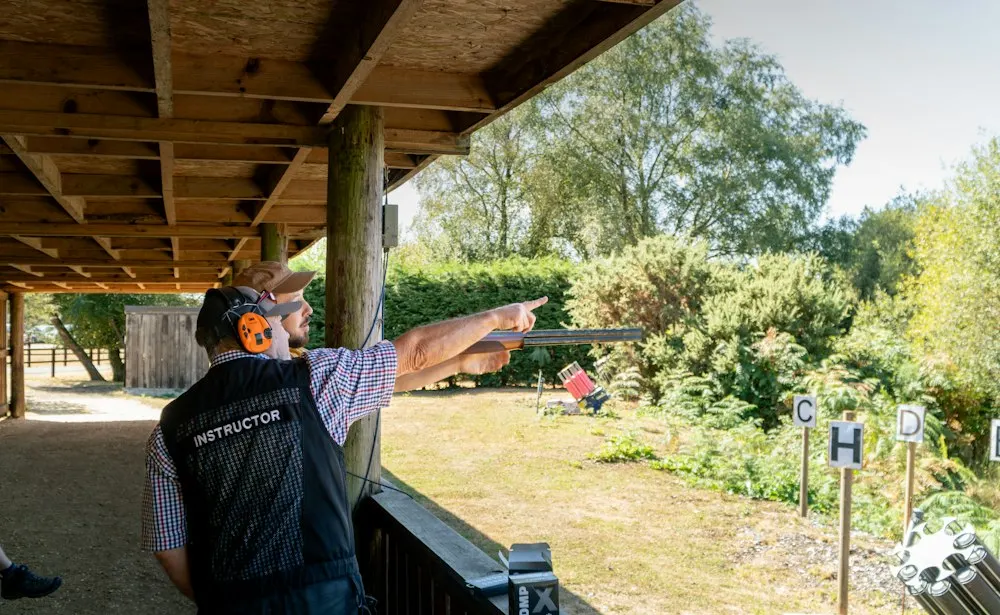
What it is
Scholastic clay target programs are youth sport teams in which students learn firearm safety, discipline and teamwork while shooting at clay targets. Like many school-age sports, they often run on a mix of participant contributions, volunteer time and community support.
Fundraising for these teams usually means covering everyday needs such as range time, coaching support, safety equipment, travel to competitions and team gear. Needs differ from one team to the next, so each program sets its own goals.
Because teams are organized in many ways, such as school clubs, community groups or club-affiliated squads, the rules about who can collect money and how differ too. Knowing how your team is structured is the first step.
How it’s traditionally been approached
Teams have long relied on local, hands-on methods: sponsor letters to area businesses, parent-run events, banquets, merchandise sales and asking families and neighbors for support. These approaches build community and are still widely used.
Some programs hold shoot-a-thons, community dinners or auctions. Certain activities, such as raffles and other games of chance, are regulated and the rules vary by state, so organizers typically check local requirements first.
More recently, many teams have added online giving so supporters near and far can contribute from a phone. This often sits alongside traditional events rather than replacing them.
How the right organizer may help
The right independent organizer may help a team turn a loose idea into a clear plan: defining the goal, telling the team's story, setting up a campaign page on an online fundraising platform, and keeping supporters informed. Results are never guaranteed, and every team's situation is different.
A first conversation is generally a friendly planning chat. Expect questions about your team's structure, season calendar, goals and who your likely supporters are. You can share what you've already tried and what you'd like help with.
Good questions to ask: Have you worked with youth or school-based teams? How do you handle state registration and raffle or gaming rules, or do you point me to a qualified professional? What does your support cost, and what is included? How will we communicate with donors and report back? On 2A Support, the platform charges a 6% platform fee per donation, with payouts on the 15th for the prior calendar month. Plans are Free, Grow at $99 per month, and Done-for-you outreach at $1,500 per month.
The bigger picture
Raising money for a youth team can weigh on coaches and parent volunteers. A clear, realistic plan may ease stress, protect family budgets and let adults focus on what matters: helping young people build confidence, responsibility and a respect for safety.
Gratitude, transparency and shared effort tend to make the process more enjoyable for everyone. If financial stress or worry is affecting your household, resources such as Providers.plus may point you toward whole-person support. No single approach to fundraising is right for every team.
Keep in mind
- Donations to individuals, teams or clubs are not automatically tax-deductible. Only gifts to IRS-registered charities may be, so use the IRS Tax Exempt Organization Search and ask a qualified tax professional.
- Charitable-solicitation registration, raffle and gaming rules vary by state, so check your state's rules and consult a qualified professional before you launch.
- Keep fundraising focused on safety, sport, education and community. Do not use it to buy or sell firearms or ammunition.
- Be open with donors about what funds are for, and get school or club permission where it applies.
Not sure where to start? Answer a few gentle questions and choose who you’d like to hear from.
Frequently asked questions
What is scholastic clay target program fundraising?
Scholastic clay target program fundraising is raising money to support a school or youth team that practices and competes in clay target shooting. Funds commonly go toward range time, coaching, safety gear, travel and team costs. Each team sets its own goals and follows its own rules.
How can an online fundraising platform help a youth shooting team?
An online fundraising platform may make it easier for families, alumni and local businesses to give from anywhere. It can give your team one page to share and a way to track support. It does not guarantee any amount raised.
Are donations to a school shooting team tax-deductible?
Not automatically. Only gifts to IRS-registered charities may be tax-deductible, and a team or individual is not necessarily one. Use the IRS Tax Exempt Organization Search and ask a qualified tax professional.
What does 2A Support charge for fundraising?
The platform fee is 6% per donation, with payouts on the 15th for the prior calendar month. Plans are Free, Grow at $99 per month, and Done-for-you outreach at $1,500 per month. Choose whichever fits your team's needs.
Do I need to register to fundraise for a youth shooting team?
It depends on your state and how your team is organized. Charitable-solicitation registration, raffle and gaming rules vary by state. Check your state's rules and speak with a qualified professional before you begin.
What can a fundraising organizer do for a scholastic clay target team?
A fundraising organizer may help you set goals, shape your team's story, build a campaign page and plan outreach to supporters. Some also help with events and donor updates. Ask about their experience with youth teams and what is included.
Educational resource. 2A Support shares general information and connects people with independent organizers. It is not professional advice. Talk with a qualified professional about your own situation.